
Your HVAC system plays an important role in maintaining comfortable indoor temperatures throughout the year. Like other major home systems, it needs regular attention to continue operating properly. One of the most useful steps homeowners can take is scheduling professional HVAC inspections.
A professional inspection can help identify worn components, airflow problems, electrical concerns, and other developing issues before they interfere with heating or cooling performance. But how often should an HVAC system be professionally inspected?
For many residential systems, having the HVAC equipment inspected at least once a year is a practical maintenance schedule. Homes with separate heating and cooling equipment may benefit from seasonal inspections so each system can be checked before its primary operating season.
Why Are Professional HVAC Inspections Important?
An HVAC system contains numerous mechanical, electrical, and airflow components. Some problems are not obvious from the outside and may not produce noticeable symptoms until they begin affecting system performance.
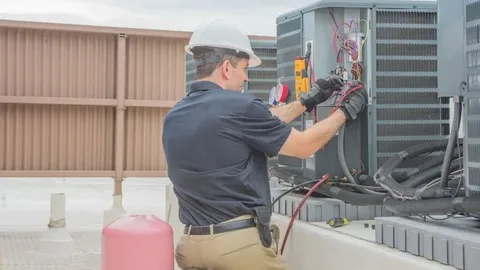
During a professional inspection, an HVAC technician can evaluate the condition and operation of the equipment and look for potential concerns.
Regular inspections can help homeowners:
- Identify developing problems
- Monitor equipment condition
- Check airflow and system operation
- Detect worn components
- Address maintenance needs
- Maintain consistent indoor comfort
- Plan for future repairs or replacement
An inspection does not guarantee that an HVAC system will never experience a breakdown, but it can provide useful information about its condition.
How Often Should You Have Your HVAC System Inspected?
For most homeowners, an annual professional inspection is a reasonable starting point.
If your home uses a system for both heating and cooling, scheduling service before the major heating or cooling season can help ensure the equipment is ready for increased use.
For example, homeowners may choose to have their cooling equipment checked before the warmer months and their heating equipment evaluated before colder weather.
The appropriate schedule can vary depending on the equipment, age of the system, usage, manufacturer recommendations, and maintenance history.
Should Heating and Cooling Systems Be Inspected Separately?
It depends on the type of HVAC system installed in your home.
A home with a heat pump may use the same equipment for both heating and cooling. A home with a furnace and central air conditioner has separate heating and cooling components that work together as part of the overall HVAC system.
In either case, the goal is to make sure the equipment is operating properly before periods of heavier use.
Your HVAC professional can recommend an inspection and maintenance schedule based on your specific system.
When Is the Best Time for an HVAC Inspection?
Timing can depend on which part of the HVAC system you are preparing to use.
Before Cooling Season
An inspection before the cooling season can help identify potential issues with the air conditioner and related components.
The technician may evaluate the outdoor unit, indoor coil, electrical components, airflow, thermostat, condensate drainage, and overall cooling operation.
Finding a problem before the system is needed regularly can give homeowners more time to address it.
Before Heating Season
Heating equipment should also be checked before colder weather arrives.
A heating inspection may include evaluating the furnace or heat pump, controls, electrical components, airflow, blower operation, and other system components.
For fuel-burning equipment, appropriate safety checks are particularly important.
What Does a Professional HVAC Inspection Include?
The exact inspection process depends on the type of HVAC equipment and the condition of the system.
A professional HVAC inspection may include:
- Checking thermostat operation
- Inspecting electrical connections
- Evaluating airflow
- Examining filters
- Inspecting indoor and outdoor equipment
- Checking coils
- Evaluating blower operation
- Inspecting condensate drainage
- Checking ductwork and visible connections
- Testing heating or cooling operation
- Looking for signs of component wear
- Identifying potential safety concerns
Not every inspection will involve the same procedures. The technician should evaluate the equipment based on its specific design and condition.
Does an HVAC Inspection Include Maintenance?
An inspection and maintenance are related but are not necessarily the same thing.
An inspection focuses on evaluating the system and identifying potential issues. Maintenance can include cleaning, adjustments, component checks, and other service tasks intended to keep the equipment operating properly.
Some HVAC service appointments may combine inspection and maintenance, while others may be focused specifically on diagnosing a reported problem.
Ask your HVAC professional what is included in the service so you understand what work is being performed.
Older HVAC Systems May Need More Attention
The age of your HVAC system is an important factor when determining how frequently it should be inspected.
Older equipment may have more wear on mechanical and electrical components. Homeowners with aging systems may benefit from closer monitoring, particularly if the equipment has experienced repeated repairs or noticeable changes in performance.
An inspection can help determine whether continued maintenance and repair make sense or whether it may be time to begin considering replacement options.
New HVAC Systems Still Need Inspections
A newer HVAC system does not necessarily need less attention simply because it has not been operating for very long.
Regular professional service can help verify that the equipment is operating as intended and provide an opportunity to identify installation-related or early performance concerns.
Homeowners should also follow the manufacturer’s recommended maintenance requirements and any applicable warranty conditions.
Signs You Should Schedule an Inspection Sooner
You do not always need to wait for your annual inspection if your HVAC system begins behaving differently.
Schedule professional service if you notice:
- Unusual noises
- Strange odors
- Weak airflow
- Uneven room temperatures
- Frequent cycling
- Longer operating times
- Unexpected increases in energy use
- Poor heating or cooling performance
- Water around indoor equipment
- Thermostat problems
- Repeated system shutdowns
These signs can have different causes, so a professional evaluation is often the best way to determine what is happening.
What Homeowners Can Do Between Inspections
Professional inspections are important, but homeowners can also perform simple maintenance tasks between service visits.
Check your air filter regularly and replace it according to the manufacturer’s recommendations or when it becomes excessively dirty.
Keep supply and return vents unobstructed so air can move freely throughout the home.
For outdoor equipment, keep leaves, grass clippings, and other debris from accumulating around the unit. Avoid attempting electrical, refrigerant, or mechanical repairs yourself unless you are properly qualified.
Most importantly, pay attention to changes in system performance. A new sound, odor, airflow problem, or temperature issue can be useful information for your HVAC technician.
Why Choose Air Factory Heating and Cooling?
Regular HVAC inspections can help homeowners stay informed about the condition of their heating and cooling equipment. Air Factory Heating and Cooling can help evaluate HVAC systems, identify potential concerns, and provide professional service based on the equipment’s needs.
Whether you are preparing for a new heating or cooling season, maintaining an older system, or experiencing a change in performance, a professional inspection can help you understand the condition of your HVAC equipment.
Keep Your HVAC System Ready for Every Season
For many homeowners, an annual professional HVAC inspection is a practical way to monitor system condition and address potential concerns. Homes with separate heating and cooling equipment may benefit from having each system checked before its primary season of use.
The ideal schedule depends on your equipment, its age, how heavily it is used, and its maintenance history. If your system is showing unusual symptoms, you should have it evaluated rather than waiting for the next scheduled inspection.
Regular professional attention, combined with basic homeowner maintenance, can help keep your HVAC system operating properly and provide consistent comfort throughout the year.