
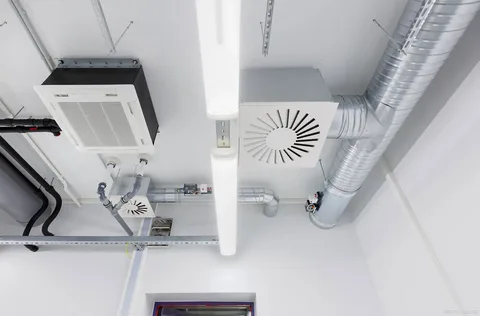
Your HVAC system is designed to maintain comfortable indoor temperatures while using energy efficiently. Over time, however, normal wear, poor airflow, dirty components, aging equipment, and other issues can cause the system to become less efficient.
A decline in HVAC efficiency does not always mean the system is about to stop working. In many cases, homeowners notice smaller warning signs first, such as longer operating cycles, inconsistent temperatures, or rising energy costs.
Recognizing these signs early can help you determine when your HVAC system may need maintenance, repair, or further professional evaluation.
What Does HVAC Efficiency Mean?
HVAC efficiency refers to how effectively a heating and cooling system provides the desired indoor comfort while using energy.
An efficient system should be able to maintain the thermostat setting without unnecessarily long operating cycles or excessive energy use.
Efficiency can be affected by many factors, including:
- Equipment age
- Dirty filters
- Restricted airflow
- Dirty coils
- Ductwork problems
- Refrigerant issues
- Electrical or mechanical problems
- Poor maintenance
- Incorrect system sizing
- Normal component wear
Because multiple components work together, a change in efficiency can have several possible causes.
1. Your Energy Bills Are Increasing
One of the most noticeable signs of declining HVAC efficiency can be an unexpected increase in energy consumption.
If your heating or cooling habits have remained relatively consistent but your energy costs are increasing, the HVAC system may be working harder than it previously did.
However, energy bills can also change because of weather conditions, utility rates, changes in household usage, or other factors. An increase in your bill alone does not necessarily prove that the HVAC system is inefficient.
Comparing energy use over time can help you identify whether there is a consistent pattern.
2. Your HVAC System Runs Longer
An HVAC system naturally runs longer during very hot or cold weather. However, if the system consistently operates for longer periods than it used to under similar conditions, it may be worth investigating.
Longer operating cycles can be associated with restricted airflow, dirty components, thermostat problems, ductwork issues, refrigerant concerns, or aging equipment.
A professional inspection can help determine whether extended runtime is normal for the conditions or indicates a system problem.
3. Your Home Has Uneven Temperatures
Rooms that are noticeably warmer or colder than others can indicate an airflow or HVAC performance issue.
Uneven temperatures may be related to:
- Blocked vents
- Ductwork problems
- Poor insulation
- Air leaks
- Improper airflow
- Equipment performance issues
- Thermostat location
Not every temperature difference is caused by the HVAC equipment itself, but persistent uneven comfort deserves attention.
4. Airflow Feels Weak
Weak airflow from supply vents can indicate that the HVAC system is not moving air as effectively as it should.
Possible causes include a dirty air filter, blower problems, duct restrictions, closed or blocked vents, or other airflow issues.
Start by checking whether the filter needs replacement and make sure supply and return vents are not blocked. If airflow remains weak, professional service may be needed to identify the cause.
5. The System Struggles to Reach the Set Temperature
If your HVAC system runs for extended periods but has difficulty reaching the thermostat setting, something may be affecting its performance.
Potential causes can include equipment problems, restricted airflow, refrigerant issues, ductwork leaks, insulation deficiencies, or an HVAC system that is not appropriately sized for the property.
A professional evaluation can help determine why the system is struggling rather than assuming that the equipment itself needs replacement.
6. Your System Cycles On and Off Frequently
Frequent cycling can also be a warning sign.
An HVAC system should cycle according to the heating or cooling demand. If it repeatedly turns on and off over short periods, there may be an issue with the thermostat, airflow, system sizing, or another component.
Short cycling can also place additional stress on equipment when it occurs repeatedly.
7. You Notice Unusual Sounds
Changes in the sounds coming from your HVAC equipment can provide useful clues about its condition.
Pay attention to sounds such as:
- Grinding
- Rattling
- Screeching
- Banging
- Humming
- Repeated clicking
- Unusual buzzing
Some sounds may have simple explanations, while others can indicate mechanical or electrical problems. If a new or persistent sound develops, having the system inspected can help identify the source.
8. There Are Unusual Odors
Unusual smells coming from your HVAC system can also indicate that something has changed.
A dirty filter, accumulated debris, moisture, electrical issue, or another system problem can sometimes contribute to unusual odors.
If you notice a persistent burning smell, strong electrical odor, or another unusual smell, turn off the equipment if appropriate and seek professional assistance rather than continuing to operate a potentially malfunctioning system.
9. The Air Filter Gets Dirty Quickly
Air filters naturally collect dust and airborne particles. However, if a filter becomes heavily loaded unusually quickly, it may be worth investigating.
Possible contributing factors include high indoor dust levels, pets, construction activity, poor indoor air quality, or HVAC airflow conditions.
A restricted filter can reduce airflow and make the system work harder. Following the filter manufacturer’s replacement recommendations and checking the filter regularly can help maintain proper airflow.
10. The Outdoor Unit Looks Dirty or Obstructed
For systems with an outdoor condenser unit, the condition of the surrounding area can affect airflow.
Leaves, grass clippings, dirt, and other debris can accumulate around the unit or on the coil.
Homeowners should keep the immediate area around the outdoor unit reasonably clear. However, avoid attempting complex cleaning or repairs yourself if you are unsure how to safely access the equipment.
11. Your HVAC System Is Getting Older
Age does not automatically mean that an HVAC system is inefficient. A well-maintained system can continue operating effectively for many years.
However, older equipment may experience increasing wear and may not provide the same efficiency as newer systems. Older components can also become more difficult or expensive to repair depending on the equipment and availability of replacement parts.
If an older HVAC system is experiencing repeated problems or declining performance, a professional evaluation can help you compare repair and replacement considerations.
12. Maintenance Has Been Neglected
Regular maintenance can help identify developing problems and keep HVAC components operating as intended.
Without routine maintenance, dust and debris can accumulate, electrical connections can deteriorate, moving components can wear, and other issues may go unnoticed.
Maintenance requirements vary by equipment type and manufacturer, but periodic professional service can help homeowners stay aware of their system’s condition.
Common Causes of HVAC Efficiency Loss
Several issues can contribute to declining HVAC efficiency. Common examples include:
Dirty Air Filters
A heavily loaded filter can restrict airflow and make the system work harder.
Dirty Coils
Dust and debris on indoor or outdoor coils can interfere with heat transfer.
Ductwork Leaks
Leaking or poorly connected ducts can allow conditioned air to escape before reaching the intended rooms.
Refrigerant Problems
Air conditioners and heat pumps depend on the correct refrigerant charge and properly functioning components. Refrigerant issues should be evaluated and addressed by a qualified HVAC professional.
Worn Components
Motors, electrical components, fans, compressors, and other parts can wear over time and affect system performance.
Thermostat Problems
A malfunctioning or improperly positioned thermostat can affect how the HVAC system responds to indoor temperature changes.
Can Regular Maintenance Improve HVAC Efficiency?
Maintenance cannot eliminate normal equipment aging, but it can help keep an HVAC system operating properly and identify issues before they become more significant.
Professional HVAC maintenance may include inspecting equipment, checking electrical components, evaluating airflow, examining coils, checking system operation, and identifying signs of wear.
Homeowners can also help by replacing filters as recommended, keeping vents clear, and paying attention to changes in heating and cooling performance.
When Should You Call an HVAC Professional?
Consider scheduling professional HVAC service if you notice:
- Increasing energy consumption
- Weak airflow
- Uneven temperatures
- Longer operating cycles
- Frequent cycling
- Unusual sounds or odors
- Poor heating or cooling performance
- Repeated repairs
- Water around indoor equipment
- An older system showing multiple performance changes
A professional can inspect the system and determine whether the problem involves maintenance, repair, airflow, controls, or another component.
Why Choose Air Factory Heating and Cooling?
HVAC efficiency depends on many components working together properly. Air Factory Heating and Cooling can help homeowners evaluate changes in system performance and identify issues that may be affecting heating or cooling operation.
Whether your system needs routine maintenance, troubleshooting, repair, or a more detailed evaluation, professional HVAC service can help you understand what is happening with your equipment and what options may be appropriate.
Keep Your HVAC System Operating Efficiently
A sudden change in energy use, airflow, temperature consistency, or operating behavior can be a sign that your HVAC system deserves attention.
While some efficiency changes can result from normal weather or household usage, persistent changes should not be ignored. Regular maintenance, proper filter care, unobstructed airflow, and timely professional inspections can all help support reliable HVAC operation.
If your heating or cooling system is working harder than usual or your home is no longer maintaining comfortable temperatures, Air Factory Heating and Cooling can help evaluate the system and identify potential causes.