
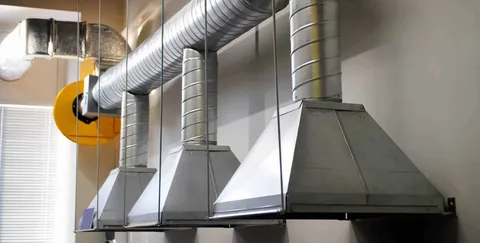
Good ventilation helps move stale indoor air out and allows fresh air to enter the home. When ventilation is inadequate, air can become stagnant, moisture may build up, and odors or airborne particles can remain indoors for longer periods.
Poor ventilation is not always immediately obvious. In many cases, homeowners notice gradual changes such as persistent stuffiness, condensation, musty odors, or rooms that never seem to feel comfortable. Recognizing these signs early can help you identify potential ventilation and HVAC issues before they affect your home’s overall comfort.
Persistent Stuffy or Stale Air
One of the most noticeable signs of poor ventilation is air that consistently feels stale or stuffy.
A room may feel uncomfortable even when the thermostat is set to an appropriate temperature. This can happen when there is not enough fresh-air exchange or when air is not moving effectively throughout the home.
If rooms regularly feel stuffy after windows and doors have remained closed, inadequate ventilation may be one possible cause.
Lingering Odors
Household odors should generally dissipate over time when air is properly exchanged. If cooking smells, pet odors, cleaning-product smells, or other odors remain for long periods, ventilation may not be sufficient.
Poor ventilation does not necessarily cause the odor itself. Instead, inadequate air exchange can allow the odor to remain trapped indoors.
Kitchen and bathroom exhaust fans can help remove odors and moisture at their source.
Excessive Condensation on Windows
Condensation on windows can be an important clue that indoor humidity levels are too high.
Some condensation can occur under certain weather conditions, but persistent moisture on windows may indicate that humid indoor air is not being adequately removed.
If condensation occurs frequently, especially in multiple rooms, homeowners should consider whether ventilation and humidity control need to be evaluated.
Musty Smells
A persistent musty smell can indicate that moisture is accumulating somewhere in the home.
Poor ventilation can contribute to excess humidity, particularly in bathrooms, kitchens, laundry rooms, basements, and other areas where moisture is regularly produced.
A musty odor should not automatically be blamed on ventilation. Plumbing leaks, roof leaks, drainage problems, and other moisture sources can also cause similar smells. Identifying and addressing the source is important.
Excess Humidity
Indoor humidity that remains high can make a home feel warmer and less comfortable than the actual temperature suggests.
Common signs of excessive indoor humidity include:
- Condensation on windows
- Damp-feeling rooms
- Musty odors
- Moisture around bathrooms
- Persistent humidity after showers
- Moisture buildup in poorly ventilated areas
Bathrooms and kitchens require particular attention because everyday activities generate significant amounts of moisture.
Bathroom Moisture Takes Too Long to Clear
A properly functioning bathroom exhaust fan should help remove humid air after showers and baths. If mirrors remain fogged for an unusually long time or the bathroom continues to feel damp, ventilation may need attention.
The exhaust fan may be underperforming, improperly sized, obstructed, or vented incorrectly. In some cases, the problem may be related to the overall ventilation design.
Keeping bathroom ventilation functioning properly can help manage moisture before it spreads to other parts of the home.
Kitchen Odors and Humidity Linger
Cooking produces heat, moisture, smoke, grease particles, and odors. A kitchen without effective ventilation can allow these byproducts to remain indoors.
If cooking smells spread throughout the home or moisture remains in the kitchen long after cooking is finished, the range hood or exhaust system may not be removing air effectively.
Using the kitchen exhaust fan while cooking and for an appropriate period afterward can help improve air exchange.
Certain Rooms Always Feel Stuffy
Poor ventilation may affect some areas of a home more than others.
Bedrooms, bathrooms, finished basements, interior rooms, and spaces with limited windows or airflow can become particularly stuffy.
If one room consistently feels different from the rest of the house, the issue may involve restricted airflow, inadequate return air, ductwork, insulation, or ventilation.
A professional HVAC evaluation can help distinguish between these potential causes.
Airflow Feels Weak or Uneven
Weak airflow from supply vents can indicate an HVAC airflow problem rather than a ventilation problem alone. However, inadequate air movement can contribute to poor overall indoor air circulation.
Possible causes include:
- Dirty air filters
- Blocked vents
- Duct restrictions
- Leaking ductwork
- Blower problems
- Improper system balancing
- Return-air restrictions
Checking the HVAC system can help determine whether the issue is related to equipment performance or the home’s ventilation setup.
Increased Dust Around the Home
Excessive dust can have many causes, including household activity, outdoor air entering through leaks, poor filtration, ductwork issues, and inadequate cleaning.
If dust accumulates unusually quickly, it may be worth checking the HVAC filter and evaluating the condition of the ductwork and ventilation system.
A dirty filter can also restrict airflow, making it harder for the HVAC system to circulate air properly.
The Home Feels Uncomfortable Despite the Correct Temperature
A thermostat reading does not tell the whole story about indoor comfort.
A home can be at the desired temperature while still feeling uncomfortable because of humidity, stagnant air, poor circulation, or uneven airflow.
For example, high humidity can make a room feel warmer, while inadequate air movement can make certain areas feel stuffy. This is one reason ventilation, humidity, and HVAC performance should be considered together.
Mold or Persistent Moisture Problems
Persistent moisture can create conditions that encourage mold and mildew growth. Poor ventilation may contribute to this problem by preventing humid air from being removed effectively.
However, visible mold or recurring moisture should not automatically be treated as a ventilation issue. Plumbing leaks, roof problems, foundation moisture, and other sources should also be investigated.
If moisture problems continue after obvious sources have been addressed, evaluating ventilation and humidity control may be appropriate.
Why Poor Ventilation Can Affect HVAC Performance
Ventilation and HVAC systems perform different functions, but they interact as part of a home’s overall indoor environment.
An HVAC system heats or cools the air and circulates it through the home. Ventilation helps exchange indoor air and manage pollutants, odors, and moisture.
When airflow is restricted or ventilation is inadequate, the HVAC system may have difficulty maintaining consistent comfort. In some situations, poor airflow can also cause the equipment to operate longer than necessary.
What Can Homeowners Check?
Before scheduling professional service, homeowners can perform a few basic checks.
Make sure HVAC supply and return vents are not blocked by furniture or other objects. Check the air filter and replace it if it is dirty. Make sure bathroom and kitchen exhaust fans are operating properly and that they are being used when moisture or odors are produced.
If these basic steps do not resolve the problem, the underlying cause may require professional evaluation.
When Should You Call an HVAC Professional?
Persistent stuffiness, excessive humidity, condensation, weak airflow, or uneven indoor temperatures can have several possible causes. A professional HVAC inspection can help determine whether the issue involves ventilation, ductwork, filtration, equipment performance, or another part of the home’s air system.
It is particularly important to investigate ongoing moisture problems rather than simply treating the symptoms.
Why Choose Air Factory Heating and Cooling?
Air Factory Heating and Cooling understands that comfortable indoor conditions depend on more than heating and cooling alone. Airflow, filtration, ventilation, and equipment performance can all influence how a home feels.
If your home has persistent stuffiness, inconsistent airflow, humidity concerns, or other signs of poor air circulation, professional HVAC service can help identify potential causes and determine the appropriate solution.
Conclusion
Poor ventilation can show up in several ways, from stale air and lingering odors to condensation, excessive humidity, and rooms that consistently feel uncomfortable.
These signs do not always point to a ventilation problem by themselves. HVAC performance, ductwork, insulation, moisture intrusion, and other factors can produce similar symptoms.
Paying attention to changes in indoor comfort and addressing persistent problems early can help homeowners maintain better airflow and a more comfortable home. Regular HVAC maintenance and professional evaluations can also help identify problems before they become more difficult to manage.