
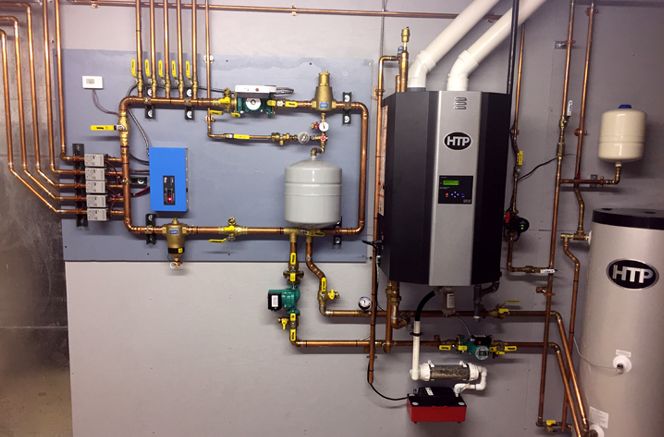
Heating systems are designed to keep your home comfortable throughout the colder months, but like any mechanical equipment, they can develop problems over time. Small issues often appear before a heating system experiences a major breakdown. Recognizing these early warning signs can help homeowners address problems sooner, maintain indoor comfort, and potentially avoid more expensive repairs.
Understanding what to watch for can also help you determine when a heating system needs professional attention. Here are some of the most common early signs of heating system problems and what they may indicate.
Unusual Noises During Operation
Most heating systems make some sound when they start and operate, but sudden or unusual noises should not be ignored.
You may notice:
- Rattling or banging sounds
- Squealing or screeching
- Grinding noises
- Clicking that continues after startup
- Humming or vibrating sounds
- Repeated popping sounds
Different noises can point to different problems. A rattling sound may indicate a loose component, while grinding could be associated with a motor or moving part. Repeated clicking may indicate an ignition or electrical issue.
Addressing unusual sounds early can help prevent a minor mechanical problem from becoming more serious.
The Heating System Takes Longer to Warm the Home
If your home used to reach the desired temperature quickly but now takes significantly longer, your heating system may not be operating as efficiently as it should.
Several factors can contribute to slower heating, including a clogged air filter, restricted airflow, ductwork problems, thermostat issues, or worn internal components.
Longer heating cycles can also increase energy use because the system must operate for extended periods to maintain the desired indoor temperature.
Uneven Temperatures Between Rooms
Cold rooms, warm rooms, and noticeable temperature differences throughout the house can be an early indication of a heating or airflow problem.
Uneven heating may be caused by:
- Blocked or closed vents
- Restricted airflow
- Duct leaks
- Poor insulation
- Thermostat placement
- An aging or improperly sized heating system
If one part of your home consistently feels colder than another, it is worth investigating rather than simply increasing the thermostat setting.
Frequent Cycling On and Off
A heating system normally cycles on and off as it maintains the temperature you select. However, if it starts and stops much more frequently than usual, there may be an underlying problem.
Frequent cycling can be related to a dirty filter, thermostat issue, airflow restriction, overheating, or equipment problems. In some cases, an improperly sized heating system can also contribute to repeated cycling.
This behavior can put additional strain on system components and may reduce overall efficiency.
Weak or Reduced Airflow
When warm air is coming from your vents but the airflow feels noticeably weaker than normal, the heating system may be experiencing an airflow restriction or mechanical issue.
Start by checking whether the air filter is dirty and make sure supply and return vents are not blocked by furniture or other objects. If airflow remains weak after these basic checks, professional inspection may be necessary.
Restricted airflow can make the system work harder while making it more difficult to distribute heat throughout the home.
Rising Energy Bills Without a Major Change in Usage
An unexpected increase in heating costs can sometimes be an early warning sign that the system is losing efficiency.
If your heating habits and thermostat settings have remained relatively consistent but energy consumption has increased, possible causes may include:
- A dirty or clogged filter
- Reduced airflow
- Worn components
- Ductwork problems
- Poor system performance
- Lack of routine maintenance
Energy costs can change for many reasons, so a higher bill does not automatically mean your heating system has a problem. However, a persistent increase combined with other warning signs deserves attention.
The Thermostat Does Not Maintain the Set Temperature
If you set the thermostat to a specific temperature but the home struggles to reach or maintain it, there may be an issue with the heating system or thermostat.
Before scheduling service, check that the thermostat is set correctly and has adequate power if applicable. Also make sure the system is set to the appropriate heating mode.
If the thermostat appears to be working but indoor temperatures remain inconsistent, a professional can inspect the system and determine whether the problem is related to the equipment, airflow, or controls.
Strange Odors Coming From the Heating System
A temporary dusty smell when a heating system is first turned on after sitting unused can be normal. However, persistent or unusual odors should not be ignored.
Burning, electrical, musty, or other unusual smells may indicate different problems. A burning odor that persists can be associated with overheating components or electrical issues.
If you notice a strong burning smell or suspect a safety problem, turn the system off and seek professional assistance.
Increased Dust Around the Home
Excessive dust can sometimes be associated with problems involving the heating system or ductwork. A dirty filter, damaged ductwork, or poor filtration can affect indoor air circulation and allow more airborne particles to move through the home.
Changing the filter according to the manufacturer’s recommendations is an important homeowner maintenance task. If dust problems continue despite regular filter replacement, the HVAC system and ductwork may need further evaluation.
The Heating System Is Reaching an Older Age
Even when a heating system continues to operate, older equipment can become more prone to performance issues and component wear.
An aging system may show several warning signs at the same time, such as:
- Increasing repair needs
- Reduced heating performance
- Higher operating costs
- More frequent cycling
- Unusual noises
- Difficulty maintaining comfortable temperatures
Age alone does not necessarily mean a heating system needs replacement. However, older equipment should receive appropriate maintenance and professional evaluation when performance begins to change.
What Should You Do When You Notice a Warning Sign?
When you notice an early heating problem, start with simple checks that are safe for homeowners. Make sure the thermostat is set correctly, replace a dirty air filter if needed, and check that vents are open and unobstructed.
If the problem continues, avoid repeatedly resetting or forcing the system to operate. A professional HVAC inspection can identify the underlying cause and determine whether the system needs cleaning, repair, adjustment, or another type of service.
Early attention is particularly important when you notice unusual odors, electrical symptoms, repeated system shutdowns, or other signs that could involve a safety concern.
Why Early Heating System Service Matters
A heating system does more than produce warm air. It relies on multiple components working together to move and heat air safely and efficiently. A small issue with one component can affect overall system performance.
Addressing problems early may help homeowners:
- Maintain more consistent indoor temperatures
- Reduce unnecessary system strain
- Improve heating efficiency
- Prevent minor issues from becoming larger problems
- Extend the useful life of equipment
- Maintain dependable home comfort
Routine professional inspections and maintenance can also help identify developing problems before they become noticeable during a cold-weather emergency.
When to Call Air Factory Heating and Cooling
If your heating system is making unusual noises, cycling frequently, producing unusual odors, providing weak airflow, or struggling to maintain your desired temperature, professional service can help identify the cause.
Air Factory Heating and Cooling can inspect your heating system, identify performance problems, and recommend appropriate service based on the condition of your equipment. Addressing warning signs early can help keep your home comfortable and your heating system operating properly.
Conclusion
Heating system problems do not always begin with a complete breakdown. Changes in sound, airflow, temperature consistency, cycling, energy use, or overall performance can provide early clues that something needs attention.
By recognizing these warning signs and scheduling professional service when necessary, homeowners can address heating problems before they interfere with comfort or lead to more significant equipment issues. Regular maintenance and timely repairs are important parts of keeping a heating system operating safely and efficiently.