
A heating and cooling system does much more than simply make your home warmer or cooler. A complete HVAC system is made up of several components that work together to regulate temperature, move conditioned air, manage airflow, and maintain indoor comfort throughout the year.
Understanding how these components interact can help homeowners recognize the importance of regular HVAC maintenance and identify potential problems before they affect the entire system.
From the thermostat that starts the heating or cooling cycle to the ductwork that distributes conditioned air, every component has an important role.
What Is an HVAC System?
HVAC stands for heating, ventilation, and air conditioning. An HVAC system is designed to help control indoor temperature, airflow, and overall comfort.
Depending on the home and equipment, a complete HVAC system may include:
- Thermostat
- Furnace or other heating equipment
- Air conditioner or heat pump
- Indoor air handler or evaporator coil
- Outdoor condenser unit
- Ductwork
- Air filters
- Supply and return vents
- Blower motor
- Electrical and control components
The exact configuration can vary depending on the type of heating and cooling system installed.
The Thermostat Starts the Process
The thermostat acts as the control point for the HVAC system. It monitors the indoor temperature and allows you to select the desired temperature.
For example, when the indoor temperature rises above the cooling setting, the thermostat signals the air conditioning system to begin a cooling cycle.
During colder weather, the thermostat can signal the heating system when the indoor temperature falls below the selected setting.
This means the thermostat does not create heating or cooling itself. Instead, it communicates with the appropriate HVAC equipment to start or stop the necessary cycle.
How the Heating System Works
During the heating season, the furnace or other heating equipment produces heat that can be distributed throughout the home.
In a forced-air system, the blower moves air through the system. The air passes through the heating equipment, where it is warmed before entering the ductwork.
The heated air then travels through supply ducts and exits through vents throughout the home.
Once the thermostat detects that the desired temperature has been reached, it signals the system to stop or adjust the heating cycle.
How the Air Conditioning System Works
The air conditioning process works by removing heat from indoor air rather than simply creating cold air.
When cooling is requested, the indoor blower moves warm indoor air across the evaporator coil. Refrigerant circulating through the system absorbs heat from the air.
The refrigerant then carries that heat to the outdoor condenser unit, where the heat is released outside.
The cooled indoor air is then distributed through the home’s ductwork.
This cycle continues until the thermostat determines that the desired indoor temperature has been reached.
The Role of the Outdoor Unit
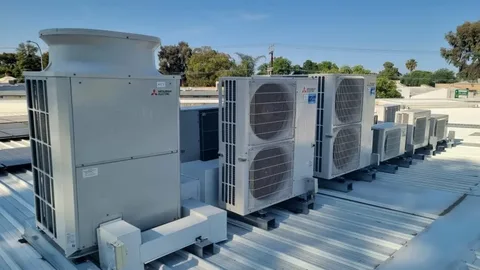
For a traditional split air conditioning system, the outdoor unit contains important components such as the condenser coil, compressor, and fan.
During a cooling cycle, refrigerant carries absorbed heat from inside the home to the outdoor unit. The outdoor fan helps move air across the condenser coil so the system can release that heat outdoors.
The compressor plays a central role in circulating and pressurizing the refrigerant as it moves through the cooling system.
Because the outdoor unit is exposed to weather, debris, and temperature changes, keeping the area around it clear can support proper airflow.
The Indoor Coil and Air Handler
The indoor portion of an HVAC system contains components responsible for moving and conditioning indoor air.
In many central air conditioning systems, the evaporator coil is located near the furnace or inside an air handler. During cooling, warm indoor air passes across this coil and releases heat.
The blower then moves the conditioned air into the ductwork.
The indoor equipment therefore works closely with the thermostat, outdoor unit, blower, and duct system to complete the cooling process.
How the Blower Moves Air
The blower motor is responsible for moving air through the HVAC system.
During heating, the blower distributes heated air through the supply ducts. During cooling, it moves cooled air throughout the home.
A blower that is dirty, damaged, or experiencing mechanical problems may not move air properly. Homeowners may notice weak airflow, uneven temperatures, or longer heating and cooling cycles when airflow is restricted.
Proper maintenance can help keep this important component operating efficiently.
The Importance of Ductwork
Ductwork acts as the pathway that carries conditioned air throughout the home.
Supply ducts deliver heated or cooled air to individual rooms, while return ducts carry indoor air back toward the HVAC equipment.
If ductwork has leaks, disconnected sections, poor insulation, or significant restrictions, the HVAC system may have to work harder to maintain the desired temperature.
Properly designed and maintained ductwork helps the system distribute conditioned air more consistently.
Air Filters Help Protect the System
Air filters remove airborne particles from the air before it passes through the HVAC equipment.
A clogged filter can restrict airflow, which can affect comfort and place additional strain on the system.
The appropriate filter replacement schedule depends on the filter type, household conditions, pets, indoor air quality, and manufacturer recommendations.
Checking the filter regularly is one of the simplest maintenance tasks homeowners can perform.
Return and Supply Vents Complete the Airflow Cycle
Supply vents deliver conditioned air into rooms, while return vents bring indoor air back toward the HVAC equipment.
For the system to operate properly, both sides of this airflow cycle need to function correctly.
Blocked supply registers, closed vents, or obstructed return grilles can interfere with airflow. Furniture, curtains, rugs, and other household items should not block important vents.
How All the Components Work Together
A complete HVAC system operates as a coordinated process.
A typical cooling cycle works like this:
- The thermostat detects that cooling is needed.
- The thermostat signals the HVAC system to start.
- The outdoor unit begins operating.
- The compressor circulates refrigerant.
- The indoor blower moves warm air across the evaporator coil.
- Heat is transferred from the indoor air into the refrigerant.
- The refrigerant carries the heat to the outdoor unit.
- The outdoor condenser releases the heat outside.
- The cooled air travels through the ductwork.
- The conditioned air enters the rooms through supply vents.
- The thermostat continues monitoring the indoor temperature.
- The system cycles off when the desired temperature is reached.
Heating follows a similar control and airflow process, but the heating equipment provides the heat instead of the air conditioner removing heat from indoor air.
What Happens When One Component Has a Problem?
Because HVAC components depend on one another, a problem with one part can affect the performance of the entire system.
For example:
- A dirty filter can restrict airflow.
- A malfunctioning thermostat can prevent the system from responding correctly.
- Leaky ducts can reduce conditioned airflow.
- A failing blower can affect air circulation.
- A dirty outdoor coil can interfere with heat transfer.
- Refrigerant problems can affect cooling performance.
- Electrical problems can prevent equipment from operating.
- Poor maintenance can contribute to premature component wear.
This is why troubleshooting an HVAC problem is not always as simple as replacing one part.
Why HVAC Maintenance Matters
Regular HVAC maintenance helps keep the individual components working together as intended.
Professional maintenance may include inspecting electrical connections, checking system operation, examining airflow, inspecting coils and other components, and identifying developing issues.
Homeowners can also help by replacing air filters as recommended, keeping vents unobstructed, maintaining clear space around outdoor equipment, and paying attention to changes in system performance.
Signs Your HVAC System May Need Attention
Consider scheduling professional service if you notice:
- Uneven temperatures between rooms
- Weak airflow
- Unusual sounds
- Strange odors
- Frequent cycling
- Increasing energy use
- A system that struggles to reach the thermostat setting
- Water around indoor equipment
- Poor heating or cooling performance
Addressing problems early may help prevent a minor issue from developing into a more complicated HVAC repair.
Why Choose Air Factory Heating and Cooling?
A complete HVAC system relies on multiple components working together, so proper installation, maintenance, and repair are important for dependable operation.
Air Factory Heating and Cooling can help homeowners with their heating and cooling needs by evaluating system performance and identifying issues that may affect comfort. Whether your system needs maintenance, repair, or attention to a specific component, professional HVAC service can help keep the entire system operating as intended.
Keep Your HVAC System Working as One
Your HVAC system is more than a furnace or air conditioner. The thermostat, indoor equipment, outdoor unit, blower, filters, ductwork, vents, and controls all have to work together to provide consistent indoor comfort.
Understanding this process can make it easier to recognize changes in system performance and understand why routine maintenance matters.
If your heating or cooling system is struggling to maintain comfortable temperatures, unusual noises are developing, or airflow has changed, a professional HVAC inspection can help identify the cause and determine the appropriate next step.